Best Sheep Breeds for Beginners
Discover the most beginner-friendly sheep breeds for your first flock, including low-maintenance hair sheep and adaptable wool breeds.
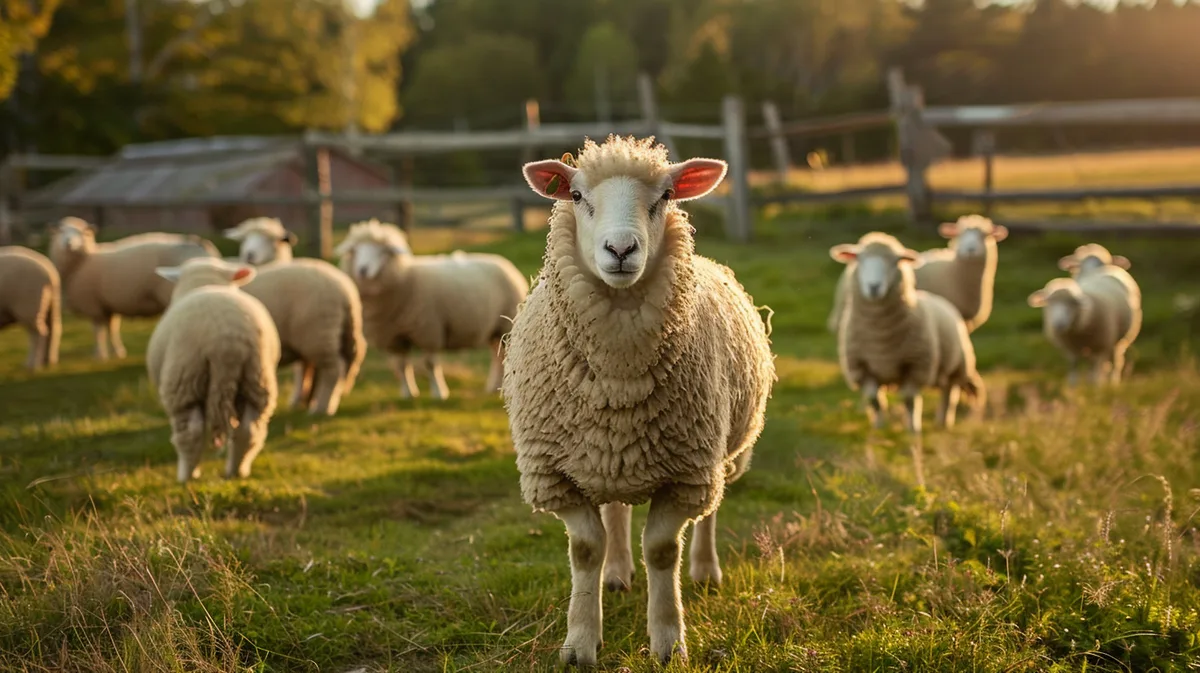
Best Sheep Breeds for Beginners
Choosing the right breed is one of the most important decisions you’ll make when starting your sheep farming journey. The best breed for you depends on your climate, goals, and how much time you can dedicate to your flock.
What Makes a Breed “Beginner-Friendly”?
Before diving into specific breeds, let’s look at what characteristics make a sheep breed easier to manage:
- Hardiness: Ability to thrive in various conditions
- Parasite Resistance: Less need for chemical intervention
- Easy Lambing: Low lambing difficulty rates
- Good Mothering: Ewes that care for their lambs well
- Docile Temperament: Easier to handle and less stressful
- Low Maintenance: Less shearing, hoof care, or special needs
Top Hair Sheep Breeds for Beginners
Hair sheep are often recommended for beginners because they don’t require shearing. They naturally shed their coat each year.
1. Katahdin
Origin: Maine, USA
The Katahdin is arguably the most popular hair sheep in America, and for good reason.
Why They’re Great for Beginners:
- Excellent parasite resistance
- Easy lambing with strong maternal instincts
- Adapt to virtually any climate
- Calm, docile temperament
- No shearing required
- Good meat quality
Considerations:
- May not gain as fast as some meat breeds
- Less muscling than Dorper
2. Dorper
Origin: South Africa
Dorpers are known for excellent meat production combined with low maintenance needs.
Why They’re Great for Beginners:
- Fast growth rates
- Excellent meat conformation
- Heat tolerant
- Shed their wool (though some need minimal shearing)
- Good mothers
Considerations:
- Can be more expensive to purchase
- Some may require light shearing
- May need shade in extreme heat
3. St. Croix
Origin: Caribbean
Often called “Virgin Island White,” St. Croix sheep are extremely hardy and low-maintenance.
Why They’re Great for Beginners:
- Exceptional parasite resistance
- Thrive in hot, humid climates
- Very easy lambing
- True hair sheep - no shearing ever
- Excellent foragers
Considerations:
- Smaller frame than other meat breeds
- May be harder to find
- Less meat per animal
4. Barbados Blackbelly
Origin: Caribbean
A beautiful, distinctive breed with excellent survival traits.
Why They’re Great for Beginners:
- Outstanding parasite resistance
- Can breed year-round
- Athletic and healthy
- No shearing needed
- Very low maintenance
Considerations:
- Leaner meat
- More active/flighty temperament
- Smaller carcass
Best Wool Breeds for Beginners
If you’re interested in fiber production, these wool breeds are more forgiving for new shepherds.
5. Dorset
Origin: England
Dorsets are versatile, adaptable, and popular across the United States.
Why They’re Great for Beginners:
- Year-round breeding capability
- Excellent mothers
- Good milk production for twins
- Adaptable to different climates
- Medium wool easy to market
Considerations:
- Requires annual shearing
- Medium parasite resistance
- May need more management than hair sheep
6. Suffolk
Origin: England
The iconic black-faced Suffolk is one of the most recognizable sheep breeds.
Why They’re Great for Beginners:
- Fast growth
- Lean meat
- Calm temperament
- Widely available
- Strong lamb survival
Considerations:
- Large size can be harder to handle
- Requires shearing
- Not as parasite resistant
- May need more feed
7. Southdown / Babydoll Southdown
Origin: England
The smaller Babydoll Southdown is especially popular for small farms.
Why They’re Great for Beginners:
- Small size makes handling easy
- Extremely docile
- Great for small acreage
- Good with children
- Excellent grazers (popular in vineyards)
Considerations:
- Smaller meat yield
- Need shearing
- May not be as economical for meat production
Heritage and Specialty Breeds
8. Icelandic
Origin: Iceland
A versatile, primitive breed with a thousand years of history.
Why They’re Great for Beginners:
- Triple-purpose: meat, milk, and fiber
- Very hardy
- Easy lambing
- Unique fleece prized by handspinners
- Can thrive on marginal pasture
Considerations:
- Can be flighty
- Require good fencing
- Dual-coated fleece needs special handling
9. Shetland
Origin: Scotland
Small, charming sheep with premium fiber.
Why They’re Great for Beginners:
- Small and easy to handle
- Hardy and thrifty
- Beautiful variety of natural colors
- Fiber commands premium prices
- Good foragers
Considerations:
- Small meat yield
- Some can be primitive in behavior
- Need shearing
Choosing Based on Your Goals
For Meat Production
- Dorper (best growth)
- Katahdin (best all-around)
- Suffolk (if you don’t mind wool)
For Fiber/Wool
- Shetland (premium fiber)
- Icelandic (versatile)
- Dorset (easy wool to sell)
For Minimal Maintenance
- St. Croix (most parasite resistant)
- Katahdin (best balance)
- Barbados Blackbelly (hardiest)
For Small Acreage
- Babydoll Southdown
- Shetland
- St. Croix
For Hot Climates
- Dorper
- St. Croix
- Katahdin
For Cold Climates
- Icelandic
- Katahdin
- Dorset
Final Recommendations
If you can only choose one breed as a beginner, consider the Katahdin. They offer:
- No shearing
- Excellent parasite resistance
- Easy lambing
- Good meat
- Calm temperament
- Wide availability
Runner-up: The Dorper if meat production is your priority, or Shetland if you’re interested in fiber.
Tips for Getting Started
- Buy locally adapted stock - Animals from your region are already suited to your climate
- Start with ewes - Begin with 3-5 ewes before adding a ram
- Visit farms first - See the animals and talk to breeders
- Join a breed association - Access to mentors and resources
- Don’t mix breeds initially - Learn one breed well first
Ready to find your first sheep? Browse our breeder directory to connect with reputable breeders in your area.
Enjoyed this article?
Subscribe to get more farming tips and guides delivered to your inbox.
Related Articles

Complete Beginner's Guide to Raising Sheep
Everything you need to know to start your sheep farming journey, from choosing breeds to basic care and management.
Read More
Goat Farming for Beginners: Everything You Need to Know
A comprehensive introduction to goat farming covering breeds, housing, feeding, and health management for new farmers.
Read More