12 Common Sheep Diseases: Symptoms, Treatment & Prevention
Learn to identify and prevent the most common sheep diseases including parasites, foot rot, bloat, and pregnancy toxemia. Essential health guide for shepherds.
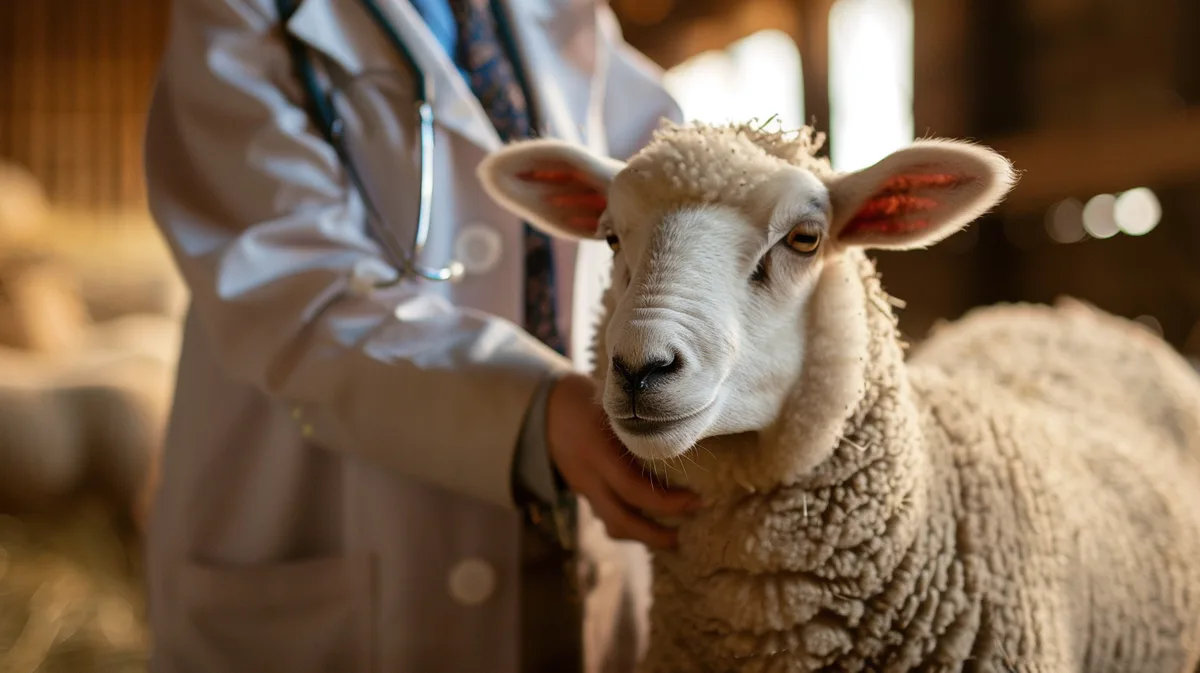
12 Common Sheep Diseases: Symptoms, Treatment & Prevention
Keeping your flock healthy requires knowing what to watch for. This guide covers the most common sheep diseases, how to recognize them early, and most importantly, how to prevent them. A healthy flock starts with informed shepherding.
Emergency Warning Signs
Contact your vet immediately if you see:
- Sheep down and unable to rise
- Severe bloating (distended left side)
- Bloody diarrhea
- Labored breathing
- High fever (over 104°F)
- Seizures or head pressing
- Multiple animals affected suddenly
Internal Parasites
Haemonchus contortus (Barber Pole Worm)
The #1 killer of sheep — this blood-sucking parasite causes severe anemia.
Symptoms:
- Pale gums, eyelids, and mucous membranes
- Bottle jaw (swelling under jaw)
- Weight loss despite good appetite
- Weakness and lethargy
- Sudden death in severe cases
Diagnosis:
- FAMACHA scoring (eyelid color check)
- Fecal egg count
Treatment:
- Targeted deworming based on FAMACHA/FEC
- Supportive care (iron, B vitamins)
- Severe cases may need blood transfusion
Prevention:
- Rotational grazing
- Don’t overstock pastures
- Avoid grazing wet areas
- FAMACHA monitoring
- Breed for resistance
- Smart drenching (not routine)
Other Internal Parasites
| Parasite | Location | Key Symptoms |
|---|---|---|
| Brown stomach worm | Abomasum | Diarrhea, weight loss |
| Liver flukes | Liver | Anemia, bottle jaw |
| Lungworms | Lungs | Coughing, pneumonia |
| Tapeworms | Intestines | Usually minor impact |
Foot Problems
Foot Rot
Highly contagious bacterial infection causing severe lameness.
Symptoms:
- Severe lameness (often multiple feet)
- Foul smell from hooves
- Separation of hoof wall from sole
- Red, raw tissue between toes
- Reluctance to move
Treatment:
- Isolate affected animals
- Aggressive hoof trimming
- Foot bath (zinc sulfate or copper sulfate)
- Antibiotics for severe cases
- Keep feet dry
Prevention:
- Quarantine new animals (30 days minimum)
- Regular hoof trimming
- Dry, clean environment
- Cull chronically infected animals
- Foot bath after shows/sales
Foot Scald
Milder condition than foot rot, often a precursor.
Symptoms:
- Mild lameness
- Redness between toes
- No foul smell
- Usually responds quickly to treatment
Treatment:
- Foot bath
- Dry environment
- Usually resolves without antibiotics
Respiratory Diseases
Pneumonia
Common, especially in young lambs and stressed sheep.
Symptoms:
- Coughing
- Nasal discharge (clear to purulent)
- Labored breathing
- Fever (103-106°F)
- Loss of appetite
- Droopy ears
- Separation from flock
Treatment:
- Antibiotics (consult vet)
- Anti-inflammatories
- Supportive care (shelter, hydration)
- Isolate from flock
Prevention:
- Good ventilation in barns
- Minimize stress
- Don’t overcrowd
- Proper colostrum intake
- Vaccine programs (where applicable)
Metabolic Diseases
Pregnancy Toxemia (Ketosis)
Occurs in late pregnancy when ewes can’t meet energy demands.
Risk factors:
- Multiple fetuses (twins, triplets)
- Overweight or underweight ewes
- Poor nutrition in late pregnancy
- Stress
Symptoms:
- Occurs 2-4 weeks before lambing
- Separation from flock
- Reluctance to eat
- Sweet/acetone breath
- Stargazing, head pressing
- Grinding teeth
- Down and unable to rise
- Coma and death if untreated
Treatment:
- Propylene glycol or glycerol orally
- IV dextrose in severe cases
- Induce lambing or C-section may be needed
- Calcium/magnesium supplementation
- Vet emergency if ewe goes down
Prevention:
- Proper body condition at breeding (not too fat, not too thin)
- Increase energy in last 6 weeks of pregnancy
- Ultrasound to identify multiple pregnancies
- Keep ewes active
- Reduce stress
Milk Fever (Hypocalcemia)
Calcium deficiency around lambing, especially with multiple lambs.
Symptoms:
- Occurs within 24-48 hours of lambing
- Weakness, staggering
- Muscle tremors
- Unable to rise
- Cold ears
- Bloat
Treatment:
- Calcium borogluconate IV or subcutaneous
- Warm and protect down ewe
- Often responds rapidly to treatment
Prevention:
- Proper mineral supplementation
- Avoid high-calcium diets before lambing
- Gradual feed changes
Clostridial Diseases
Enterotoxemia (Overeating Disease)
Caused by Clostridium perfringens types C and D.
Symptoms:
- Often sudden death
- Diarrhea (sometimes bloody)
- Convulsions
- Abdominal pain
- Found dead without prior signs
Risk factors:
- Sudden diet changes
- Heavy grain feeding
- Lush pasture
- Weaning stress
Treatment:
- Often fatal before treatment possible
- Antitoxin if caught early
- Supportive care
Prevention:
- CD&T vaccination (most important vaccine)
- Vaccinate ewes 4 weeks before lambing
- Vaccinate lambs at 4-6 weeks, booster 3-4 weeks later
- Gradual diet changes
- Limit grain intake
Tetanus
Caused by Clostridium tetani entering wounds.
Symptoms:
- Stiffness
- Lockjaw (difficulty eating)
- “Sawhorse” stance
- Hypersensitivity to sound/touch
- Seizures
- Usually fatal once advanced
Treatment:
- Antitoxin and antibiotics if caught early
- Sedation and supportive care
- High mortality rate
Prevention:
- CD&T vaccination
- Vaccinate before procedures (docking, castrating)
- Clean equipment and wounds
Digestive Problems
Bloat
Rapid gas accumulation in the rumen—life-threatening emergency.
Types:
- Frothy bloat: From legume pastures (alfalfa, clover)
- Free gas bloat: From obstruction or other causes
Symptoms:
- Distended left side
- Difficulty breathing
- Restlessness, then depression
- Grunting
- Death within hours if untreated
Treatment:
- Emergency! Contact vet immediately
- Walk the animal
- Stomach tube to release gas
- Anti-bloat oils
- Trocar in life-threatening cases
Prevention:
- Introduce legume pastures gradually
- Don’t graze wet alfalfa
- Mixed grass-legume pastures
- Feed dry hay before legume grazing
Acidosis (Grain Overload)
Occurs when sheep consume too much grain too quickly.
Symptoms:
- Occurs 12-36 hours after overfeeding
- Off feed
- Staggering, weakness
- Diarrhea
- Dehydration
- Rapid heartbeat
Treatment:
- Remove grain access
- Baking soda drench
- Probiotics
- IV fluids in severe cases
- Thiamine supplementation
Prevention:
- Secure feed storage
- Gradual grain increases (10% every 3 days)
- Limit individual grain portions
Skin and External Problems
External Parasites
| Parasite | Signs | Treatment |
|---|---|---|
| Keds (sheep tick) | Rubbing, poor fleece | Pour-on or injectable |
| Lice | Itching, wool damage | Insecticide treatment |
| Mites (scab) | Crusty skin, wool loss | Ivermectin, quarantine |
| Blowflies (strike) | Maggots in wool/wounds | Clean, treat, prevent |
Flystrike (Myiasis)
Maggot infestation—more common in warm, wet conditions.
Symptoms:
- Restlessness, tail wagging
- Biting at wool
- Wet, stained wool
- Foul smell
- Maggots visible on closer inspection
- Rapid deterioration
Treatment:
- Shear affected area
- Remove all maggots
- Clean and treat wounds
- Systemic antibiotics if severe
- Anti-inflammatories
Prevention:
- Crutching (dagging) to keep rear clean
- Fly prevention products
- Prompt treatment of wounds/diarrhea
- Reduce fly populations
Infectious Diseases
Caseous Lymphadenitis (CL)
Chronic bacterial infection causing abscesses.
Symptoms:
- Abscesses in lymph nodes (neck, shoulder, flank)
- Thick, green-white pus
- Weight loss over time
- Internal form can affect lungs
Treatment:
- No cure
- Isolate affected animals
- Do NOT lance abscesses (spreads disease)
- Cull from breeding flock
Prevention:
- Buy from CL-free flocks
- Test new arrivals
- Don’t share equipment
- Vaccine available (discuss with vet)
Johne’s Disease
Chronic wasting disease affecting intestines.
Symptoms:
- Chronic weight loss
- Normal to increased appetite
- No response to deworming
- Usually affects adults
- Diarrhea (sometimes)
Diagnosis:
- Blood test (ELISA)
- Fecal culture
Treatment:
- No treatment
- Manage and cull
Prevention:
- Buy from Johne’s-free flocks
- Test breeding animals
- Don’t mix young stock with adults
- Separate at-risk lambs early
Prevention Checklist
Vaccination Program
| Vaccine | Who | When |
|---|---|---|
| CD&T | All sheep | Annual; ewes 4 weeks before lambing |
| CD&T | Lambs | 4-6 weeks old, booster 3-4 weeks later |
| Rabies | Optional | Where required |
Biosecurity Basics
- Quarantine new animals 30 days
- Don’t share equipment between farms
- Clean and disinfect trailers
- Isolate sick animals immediately
- Limit visitor access to sheep areas
- Change clothes/boots between farms
Routine Health Monitoring
- Daily observation of all animals
- Weekly FAMACHA checks in parasite season
- Monthly body condition scoring
- Quarterly fecal egg counts
- Annual vaccination
- Regular hoof trimming
Working with Your Veterinarian
Finding a Good Sheep Vet
- Check AASV (American Association of Small Ruminant Practitioners)
- Ask other sheep farmers
- Look for large animal or mixed practice vets
- Establish relationship BEFORE emergencies
When to Call the Vet
- Any emergency symptoms (bloat, down sheep, seizures)
- Multiple animals affected
- Unknown illness
- Not responding to treatment
- Before major procedures
- Annual flock health planning
Conclusion
Preventing disease is far easier than treating it. Focus on:
- Proper nutrition
- CD&T vaccination
- Strategic parasite management
- Biosecurity practices
- Daily observation
- Good working relationship with your vet
Most common sheep diseases are preventable with good management. Know the warning signs, act quickly, and don’t hesitate to call for help.
Need to find sheep or connect with experienced breeders? Browse our directory to find farms in your area who can share their health management practices.
New to sheep? Start with our beginner’s guide to raising sheep.
Enjoyed this article?
Subscribe to get more farming tips and guides delivered to your inbox.
Related Articles

Sheep Fencing Guide: Types, Costs, and Installation
Everything you need to know about fencing for sheep, including the best options, estimated costs, and installation tips.
Read More
Goat Milk vs Cow Milk: 10 Key Differences & Health Benefits
Is goat milk better than cow milk? Compare nutrition, digestibility, taste, and health benefits of goat milk vs cow milk for your family.
Read More