How to Start a Goat Farm: Step-by-Step Business Guide (2025)
Ready to start a goat farm? Learn the complete process from business planning to buying goats. Covers dairy, meat, and fiber goat operations.
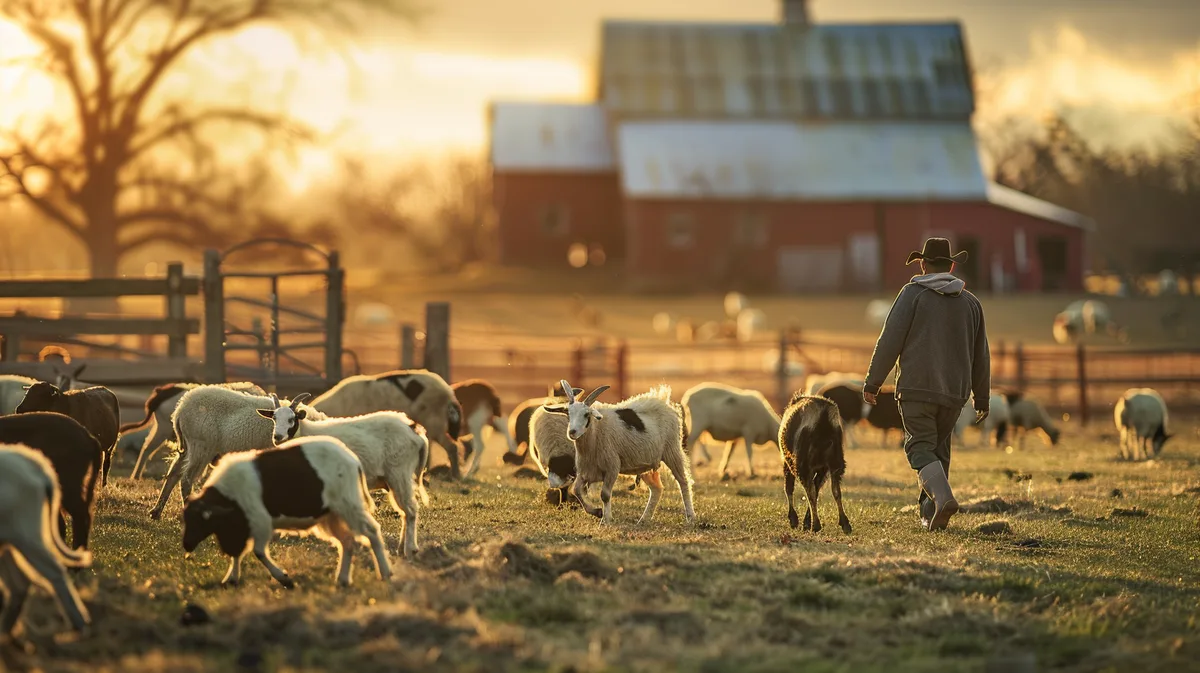
How to Start a Goat Farm: Step-by-Step Business Guide
Starting a goat farm can be a rewarding and profitable venture. Whether you’re interested in dairy, meat, or fiber production, this comprehensive guide walks you through every step of starting your goat farming operation.
Is Goat Farming Right for You?
Before investing time and money, honestly assess your situation:
You’re Ready If:
- You have or can acquire suitable land
- You’re comfortable working with animals
- You have time for daily chores (twice daily for dairy)
- You’re physically able to handle livestock
- You have startup capital or financing
- Your local zoning allows livestock
Challenges to Consider:
- Daily commitment (goats need care every day)
- Initial learning curve
- Health emergencies happen at inconvenient times
- Market development takes time
- Profit margins can be thin
Step 1: Choose Your Goat Enterprise
Your choice affects everything from breed selection to facility design.
Meat Goats
Market: Growing demand, especially ethnic markets
Best breeds: Boer, Kiko, Savanna, Spanish
Pros:
- Less daily labor than dairy
- Simpler facilities
- Growing market demand
- Can use marginal land
Cons:
- Lower profit per animal
- Need volume for significant income
- Seasonal market fluctuations
Startup scale: 20-50 does minimum for commercial viability
Dairy Goats
Market: Milk, cheese, soap, cosmetics
Best breeds: Nigerian Dwarf, Nubian, LaMancha, Alpine, Saanen
Pros:
- Multiple product options
- Higher value per animal
- Year-round income possible
- Strong niche market
Cons:
- Twice-daily milking commitment
- More equipment needed
- Dairy regulations (if selling)
- Higher management requirements
Startup scale: 5-10 does for small operation; 25+ for commercial
Fiber Goats
Market: Angora (mohair), Cashmere
Best breeds: Angora, Cashmere goats
Pros:
- Less labor than dairy
- Premium fiber prices possible
- Unique niche market
Cons:
- Specialized market
- Shearing skills required
- Weather sensitive
Startup scale: 20-30 goats for viable operation
Step 2: Write a Business Plan
A business plan forces you to think through critical decisions.
Key Sections
Executive Summary:
- Farm overview
- Products/services
- Target market
- Financial projections
Market Analysis:
- Local competition
- Customer demographics
- Pricing research
- Marketing channels
Operations Plan:
- Land requirements
- Facilities needed
- Equipment list
- Labor needs
- Production schedule
Financial Projections:
- Startup costs
- Operating expenses
- Revenue projections
- Break-even analysis
Sample Budget: 25-Doe Meat Goat Operation
| Startup Costs | Amount |
|---|---|
| Breeding does (25) | $7,500 |
| Buck (2) | $1,000 |
| Fencing (5 acres) | $8,000 |
| Shelter/barn | $5,000 |
| Equipment | $2,000 |
| Working capital | $3,000 |
| Total | $26,500 |
| Annual Revenue (Year 2+) | Amount |
|---|---|
| Kids sold (50 @ $200) | $10,000 |
| Cull does (5 @ $150) | $750 |
| Total | $10,750 |
| Annual Expenses | Amount |
|---|---|
| Feed | $3,000 |
| Hay | $2,000 |
| Veterinary | $500 |
| Supplies | $500 |
| Marketing | $300 |
| Total | $6,300 |
Estimated annual profit: $4,450 (not counting labor)
Step 3: Secure Your Land
How Much Land?
| Operation Type | Land Needed |
|---|---|
| Small dairy (5-10 does) | 1-2 acres |
| Medium meat (25-50 does) | 5-15 acres |
| Large commercial (100+ does) | 25-50+ acres |
Land Considerations
Must-haves:
- Legal for livestock (check zoning)
- Water source or access
- Adequate drainage
- Accessible year-round
Nice to have:
- Existing structures
- Multiple pastures/paddocks
- Browse/brush for goats
- Close to markets
Lease vs. Buy
Leasing:
- Lower upfront cost
- Flexibility
- Landlord may limit improvements
Buying:
- Long-term investment
- Full control
- Equity building
- Higher upfront cost
Step 4: Plan Your Facilities
Essential Structures
Shelter/Barn:
- 15-20 sq ft per goat minimum
- Good ventilation
- Dry bedding area
- Separate kidding area
Fencing:
- 4-5 feet high minimum
- Woven wire or cattle panels
- Electric hot wire recommended
- Secure gates with latches
Handling Facilities:
- Catch pen
- Sorting area
- Squeeze chute or stand
- Scale (for commercial operations)
For Dairy Operations
Additional needs:
- Milk room (separate from barn)
- Milk stand(s)
- Refrigeration
- Cleaning area
- Meets health department requirements if selling
Step 5: Select Your Breeds
For Meat Production
| Breed | Growth Rate | Hardiness | Availability |
|---|---|---|---|
| Boer | Excellent | Moderate | Common |
| Kiko | Good | Excellent | Good |
| Spanish | Moderate | Excellent | Good |
| Savanna | Good | Excellent | Limited |
For Dairy Production
| Breed | Milk Volume | Butterfat | Temperament |
|---|---|---|---|
| Saanen | Highest | Lower | Calm |
| Nubian | Moderate | Highest | Vocal |
| Alpine | High | Moderate | Active |
| Nigerian Dwarf | Lower | Highest | Friendly |
| LaMancha | High | Moderate | Calm |
Step 6: Find Quality Foundation Stock
Where to Buy
Reputable breeders (recommended):
- Health testing available
- Production records
- Support after purchase
- Higher quality animals
Livestock auctions:
- Lower prices
- Unknown history
- Health risks
- No support
Other farms:
- Can visit and evaluate
- May get background information
- Prices vary
What to Look For
Health indicators:
- Bright, clear eyes
- Clean nose
- Good body condition
- Sound feet and legs
- No abscesses
- Current vaccinations
Production history (for dairy):
- Milk records
- Kidding history
- Longevity
- Genetics
Request testing for:
- CAE (Caprine Arthritis Encephalitis)
- CL (Caseous Lymphadenitis)
- Johne’s Disease
Step 7: Establish Your Herd Health Program
Work with a Veterinarian
Before you get goats:
- Find a vet experienced with goats
- Discuss vaccination protocols
- Establish deworming strategy
- Create emergency plan
Vaccination Schedule
Essential:
- CD&T (Clostridium/Tetanus): Annual, kids at 4-6 weeks
Situational:
- Rabies (required in some areas)
- Caseous Lymphadenitis (CL)
- Pneumonia vaccines
Parasite Management
Internal parasites are the #1 health issue:
- FAMACHA scoring
- Fecal egg counts
- Strategic deworming (not routine)
- Pasture rotation
- Don’t overstock
Step 8: Understand Regulations
Zoning and Permits
Check with your county:
- Livestock permitted?
- Number allowed
- Setbacks required
- Manure management rules
For Dairy Operations
Regulations vary by state:
- Raw milk sales may be prohibited
- On-farm sales may be allowed
- Licensed dairy requires inspection
- Cheese/soap may have different rules
Research thoroughly before selling dairy products
For Meat Sales
Options include:
- Selling live animals (minimal regulation)
- Custom processing (buyer pays processor)
- Inspected processing (required for retail)
Step 9: Develop Your Market
Meat Goat Markets
Ethnic markets:
- Large demand
- Specific preferences (age, weight)
- Cultural/religious events spike demand
- Need connections
Direct to consumer:
- Farmers markets
- On-farm sales
- Website/social media
- Higher prices possible
Auctions:
- Easy to sell
- Lower prices
- Commodity market
Dairy Markets
Raw milk (where legal):
- Herdshares
- On-farm sales
- Premium prices
Value-added products:
- Cheese
- Soap
- Lotion
- Ice cream
Wholesale:
- To creameries
- Lower price but steady
- Volume needed
Step 10: Launch Your Operation
First Year Timeline
Months 1-3:
- Finalize business plan
- Secure land
- Order/build fencing
- Prepare shelter
Months 4-6:
- Complete facilities
- Purchase equipment
- Find veterinarian
- Source feed suppliers
Months 7-9:
- Purchase foundation stock
- Quarantine new animals
- Begin breeding (if fall)
- Establish routines
Months 10-12:
- Continue breeding
- Refine management
- Develop marketing
- Plan for kidding season
Keys to Success
- Start small: Learn before scaling up
- Network: Join local goat associations
- Keep records: Production, health, financial
- Continue learning: Workshops, conferences, mentors
- Be patient: Profitability takes time
- Adapt: Adjust based on results
Financial Expectations
When Will I Profit?
Realistic timeline:
- Year 1: Investment year, likely net loss
- Year 2: Approach break-even
- Year 3+: Potential profitability
Maximizing Profitability
- Start with quality genetics
- Focus on efficiency
- Add value when possible
- Minimize purchased feed
- Control veterinary costs with prevention
- Direct market when feasible
Common Mistakes to Avoid
- Starting too big: Scale up after you learn
- Buying cheap stock: Poor genetics cost more long-term
- Inadequate fencing: Escaped goats cause problems
- Ignoring parasites: #1 killer of goats
- No business plan: Hoping isn’t a strategy
- Underpricing: Know your costs
Resources for New Goat Farmers
Organizations
- American Goat Federation
- American Dairy Goat Association
- State goat associations
- Local extension office
Education
- Extension workshops
- Online courses
- Experienced mentor
- Breed association resources
Conclusion
Starting a goat farm requires planning, capital, and commitment, but can be deeply rewarding. Start with a solid business plan, quality stock, and realistic expectations. Success comes to those who combine passion with good management.
Ready to find goats for your new farm? Browse our breeder directory to connect with reputable breeders in your area.
New to goats? Start with our beginner’s guide to goat farming.
Enjoyed this article?
Subscribe to get more farming tips and guides delivered to your inbox.
Related Articles
How Much Does It Cost to Start a Sheep Farm?
A detailed breakdown of startup costs, ongoing expenses, and potential returns for aspiring sheep farmers.
Read More