Nigerian Dwarf Goats: Complete Care & Breeding Guide (2025)
Everything you need to know about Nigerian Dwarf goats—from housing and feeding to milking and breeding. The perfect dairy goat for small farms.
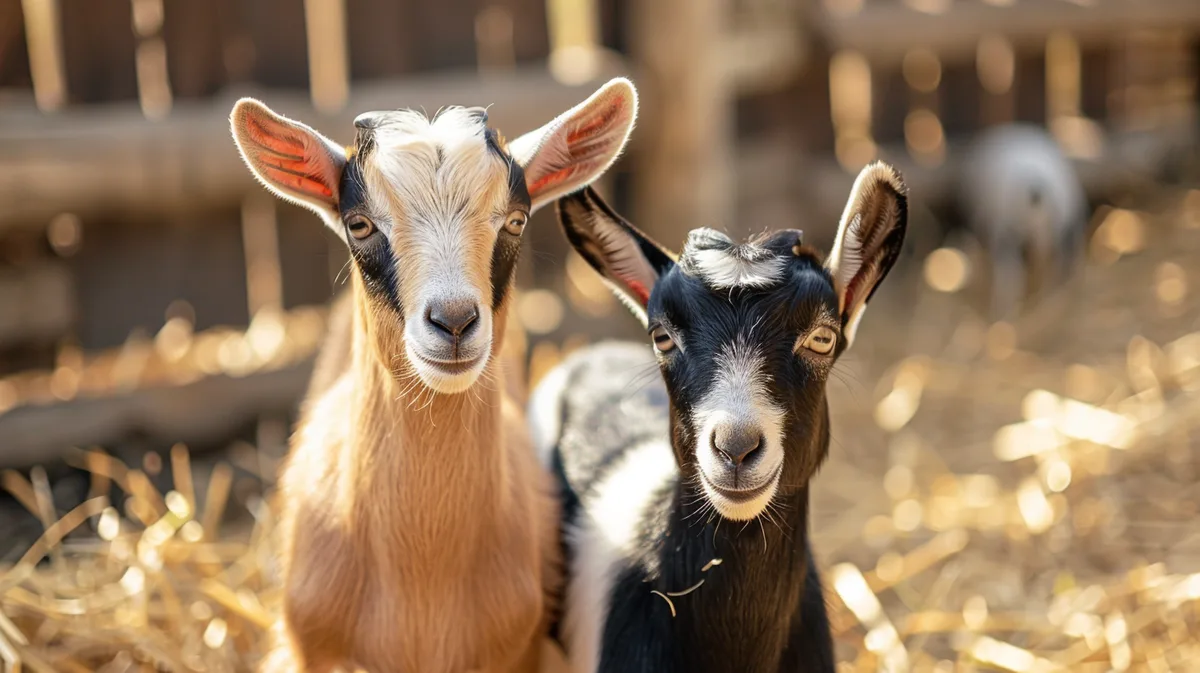
Nigerian Dwarf Goats: Complete Care & Breeding Guide
Nigerian Dwarf goats have exploded in popularity, and for good reason. These pint-sized dairy goats produce surprisingly rich milk, have wonderful personalities, and are perfect for small farms and homesteads. Here’s everything you need to know about raising Nigerian Dwarf goats.
Why Choose Nigerian Dwarf Goats?
The Perfect Small-Farm Dairy Goat
Nigerian Dwarf goats offer several advantages:
- Compact size: 17-21 inches tall; easy to handle
- High butterfat milk: 6-10% butterfat (twice that of standard dairy breeds)
- Year-round breeding: Can breed any time of year
- Friendly personalities: Great with children
- Efficient: Produce good milk on less feed
- Versatile: Milk, pets, show animals, or brush clearing
Milk Production
Despite their size, Nigerian Dwarfs are serious milk producers:
| Metric | Nigerian Dwarf | Standard Dairy Goat |
|---|---|---|
| Daily production | 1-3 quarts | 1-2 gallons |
| Butterfat | 6-10% | 3-4% |
| Protein | 4-5% | 3% |
| Lactation length | 10 months | 10 months |
Their rich milk is ideal for:
- Cheese making: Higher yield per gallon
- Soap making: Creamier bars
- Drinking: Sweet, mild flavor
- Ice cream: Naturally rich and creamy
Getting Started
How Many Goats?
Goats are herd animals and should never be kept alone.
Minimum: 2 goats Recommended starting flock: 2-4 does With buck for breeding: Separate housing needed
Choosing Quality Stock
Look for:
- Registered animals: ADGA, AGS, or NDGA papers
- Health records: CAE, CL, and Johne’s testing
- Good conformation: Level topline, correct legs
- Milking lines: If dairy is your goal
- Friendly temperament: Important for handling
Price range: $200-800 for quality registered does
Find Nigerian Dwarf breeders →
Housing Requirements
Shelter
Nigerian Dwarfs need protection from rain, wind, and extreme temperatures.
Space requirements:
- 10-15 square feet per goat (shelter)
- 200+ square feet per goat (yard/pasture)
Shelter features:
- Three-sided minimum; four-sided in cold climates
- Raised floor or thick bedding
- Good ventilation without drafts
- Protection from precipitation
Fencing
Despite their size, Nigerian Dwarfs can be escape artists.
Recommended fencing:
- 4-foot woven wire or cattle panels
- Electric hot wire at nose height
- Secure all gates with goat-proof latches
- Check for head-sized holes
Bedding
Keep bedding dry and clean:
- Straw (most common)
- Wood shavings
- Deep litter method works well
- Clean wet spots regularly
Feeding Nigerian Dwarf Goats
Basic Diet
Hay (main diet):
- Good quality grass or mixed hay
- 2-4 lbs per goat daily
- Free-choice preferred
- Alfalfa for milking does
Browse/Pasture:
- Excellent foragers
- Love brush, weeds, and leaves
- 4-8 goats per acre
- Rotational grazing recommended
Grain (supplemental):
- 1/2-1 lb daily for milking does
- Less or none for dry does
- Quality goat feed, 16-18% protein
- Avoid overfeeding (obesity is common!)
Minerals and Water
Free-choice minerals:
- Loose goat minerals preferred
- Must contain copper (unlike sheep!)
- Provide in covered feeder
Water:
- Fresh, clean water always available
- 1-3 gallons per goat daily
- More when milking or in hot weather
- Heated waterers in freezing climates
Treats (in moderation)
Safe treats include:
- Apple slices
- Carrots
- Banana
- Pumpkin
- Raisins
- Sunflower seeds
Avoid: Chocolate, avocado, tomato leaves, rhododendron
Health Care
Routine Care Schedule
Daily:
- Check overall condition
- Ensure fresh water
- Monitor appetite
Weekly:
- Check body condition
- Examine hooves for issues
- Look for signs of parasites
Monthly:
- Trim hooves (every 4-6 weeks)
- Check FAMACHA scores
Annually:
- CD&T vaccination
- Fecal testing
- Breeding soundness exam
Hoof Care
Hoof trimming is essential:
- Trim every 4-6 weeks
- Use quality hoof trimmers
- Stand goat on milk stand
- Take small amounts at a time
- Stop if you see pink (blood supply)
Parasite Management
Worms are a significant concern:
Prevention:
- Rotational grazing
- Don’t overstock
- Clean feeding areas
- FAMACHA scoring
Treatment:
- Fecal egg counts before deworming
- Targeted treatment (not routine deworming)
- Work with your vet on protocol
Common Health Issues
- Parasites: #1 health concern
- Bloat: Emergency—contact vet immediately
- Enterotoxemia: Prevent with CD&T vaccine
- Pneumonia: Keep housing dry and ventilated
- Pregnancy toxemia: In late pregnancy
Breeding Nigerian Dwarf Goats
Breeding Age
- Does: 7-8 months old and 40+ lbs
- Bucks: Can breed at 7 weeks (separate early!)
Year-Round Breeding
Unlike most goats, Nigerian Dwarfs can breed year-round:
- Cycle every 18-21 days
- Standing heat lasts 12-48 hours
- Can kid any month
Signs of Heat
- Flagging (wagging tail)
- Mounting other goats
- Swollen vulva
- Clear discharge
- Vocal
- Reduced milk production
Breeding Methods
Buck ownership:
- Pros: Breed anytime, lower cost per breeding
- Cons: Housing needs, smell, aggression
Buck service:
- Pros: No buck maintenance
- Cons: Timing challenges, cost per breeding
Artificial insemination:
- Pros: Access to top genetics
- Cons: Requires training, lower conception rates
Pregnancy and Kidding
Gestation: 145-153 days (average 150)
Pregnancy care:
- Increase feed in last 6 weeks
- CD&T booster 4 weeks before due date
- Reduce grain 1 week before kidding
- Prepare kidding kit
Kidding kit essentials:
- Clean towels
- Iodine for navels
- Bulb syringe
- Dental floss for cord tying
- Molasses for mom
- Colostrum (backup)
- Vet’s phone number
Kid Care
- Nursing: Kids should nurse within 1 hour
- Disbudding: At 1-2 weeks if desired
- Banding: Males at 8-12 weeks if not breeding
- Weaning: 8-12 weeks
Milking Nigerian Dwarf Goats
Milk Stand Training
Start training before freshening:
- Use treats on the stand
- Short positive sessions
- Handle udder gently
- Build trust over time
Milking Procedure
Before milking:
- Secure goat on stand with feed
- Clean udder with warm water or wipes
- Strip first few squirts (check for issues)
Milking:
- Wrap hand around teat
- Squeeze with thumb and forefinger first
- Roll pressure down with remaining fingers
- Alternate hands
- Milk until udder feels empty
After milking:
- Dip teats in teat dip
- Keep goat standing 15-20 minutes
- Strain and chill milk immediately
Milking Schedule
- Twice daily: Every 12 hours (highest production)
- Once daily: Acceptable for lower production
- Consistency: Same time each day
Common Questions
How long do Nigerian Dwarf goats live?
12-15 years with good care.
Can they live with other animals?
Yes! They get along well with sheep, chickens, and horses. Keep separate from standard-sized goats initially.
Are they loud?
They can be vocal, especially during heat or when wanting attention. Generally quieter than Nubians.
Do I need a buck?
Not if you use buck service or AI. Many small farms use outside breeding.
How much space do they really need?
Minimum 200 sq ft per goat for exercise area, though more is always better.
Costs of Keeping Nigerian Dwarf Goats
Startup Costs
| Item | Cost |
|---|---|
| 2-3 goats | $600-2,000 |
| Fencing (1/4 acre) | $800-1,500 |
| Shelter | $200-1,000 |
| Milk stand | $100-300 |
| Supplies | $200-400 |
| Total | $1,900-5,200 |
Annual Costs (per goat)
| Item | Cost |
|---|---|
| Feed/hay | $300-500 |
| Vet/health | $50-100 |
| Supplies | $50-100 |
| Total | $400-700 |
Getting Started Checklist
- Research breeders in your area
- Prepare fencing and shelter
- Purchase supplies and feed
- Buy at least 2 goats
- Schedule vet visit
- Join local goat club or online community
- Learn basic health care
- Enjoy your new goats!
Conclusion
Nigerian Dwarf goats are ideal for small farms and homesteads. Their friendly personalities, manageable size, and excellent milk production make them perfect for beginners and experienced goat keepers alike. With proper care, they’ll provide years of enjoyment and delicious dairy products.
Ready to find your Nigerian Dwarf goats? Browse our breeder directory to connect with reputable breeders.
New to goats? Start with our beginner’s guide to goat farming.
Enjoyed this article?
Subscribe to get more farming tips and guides delivered to your inbox.
Related Articles
Sheep Fencing Guide: Types, Costs, and Installation
Everything you need to know about fencing for sheep, including the best options, estimated costs, and installation tips.
Read More
12 Common Sheep Diseases: Symptoms, Treatment & Prevention
Learn to identify and prevent the most common sheep diseases including parasites, foot rot, bloat, and pregnancy toxemia. Essential health guide for shepherds.
Read More